
Tooth decay is one of those things everybody's had at some point, or knows someone who has, but almost nobody actually understands what's happening in their mouth when it occurs. Fixing tooth decay isn't a single procedure, it's actually a range of approaches depending on how far along things are by the time you show up in the chair. Some people catch it early. A lot of people don't, and honestly that changes everything about the treatment plan.
What's Actually Going on When a Tooth Decays
Decay starts small, it's bacteria feeding off sugar and starch left on your teeth, producing acid that eats into enamel over time. Slow process usually, which is exactly why people miss it for so long. No pain at first, nothing to notice really, just a tiny weak spot forming quietly. By the time it hurts, the decay's usually already gotten past the enamel and into the softer dentin underneath, sometimes deeper. That's the tricky part about this whole thing, the damage is invisible until it's not anymore.
Catching It Early Changes Everything
This is where routine checkups earn their keep, honestly. Dentists practicing dentistry in Simi Valley rely heavily on x-rays and visual exams to spot decay before a patient even feels anything. Early stage decay, sometimes called incipient decay, can occasionally be reversed with fluoride treatments and better oral hygiene, no drilling needed at all. That's the best case scenario really, catching something before it requires actual intervention. Skip your checkups for a couple years though, and that early opportunity's usually long gone by the time you finally book an appointment.

Fillings, Still the Most Common Fix Around
Once decay's progressed past that early reversible stage, a filling becomes the standard approach. Dentists remove the decayed portion, cleans out the area, packs it with material, composite resin mostly these days instead of the old metal amalgam fillings people remember from childhood. Quick procedure usually, done in one visit, numbing beforehand so there's minimal discomfort during it. Sounds simple because for the most part it is, this is bread and butter dental work that's been refined for decades at this point.
When Decay Goes Deeper, Root Canals Enter the Picture
Sometimes decay isn't caught in time and it works its way down into the tooth's pulp, the nerve tissue inside. That's when a filling alone won't cut it anymore. Root canal treatment removes the infected pulp, cleans the inside of the tooth thoroughly, then seals it up to prevent further infection. People dread this procedure, it's got a reputation, but honestly modern root canals aren't nearly as brutal as the old horror stories suggest. Numbing's improved a lot, technique's improved too. The alternative, leaving an infected tooth untreated, is genuinely worse than the procedure itself.
Crowns Come Into Play for Bigger Structural Damage
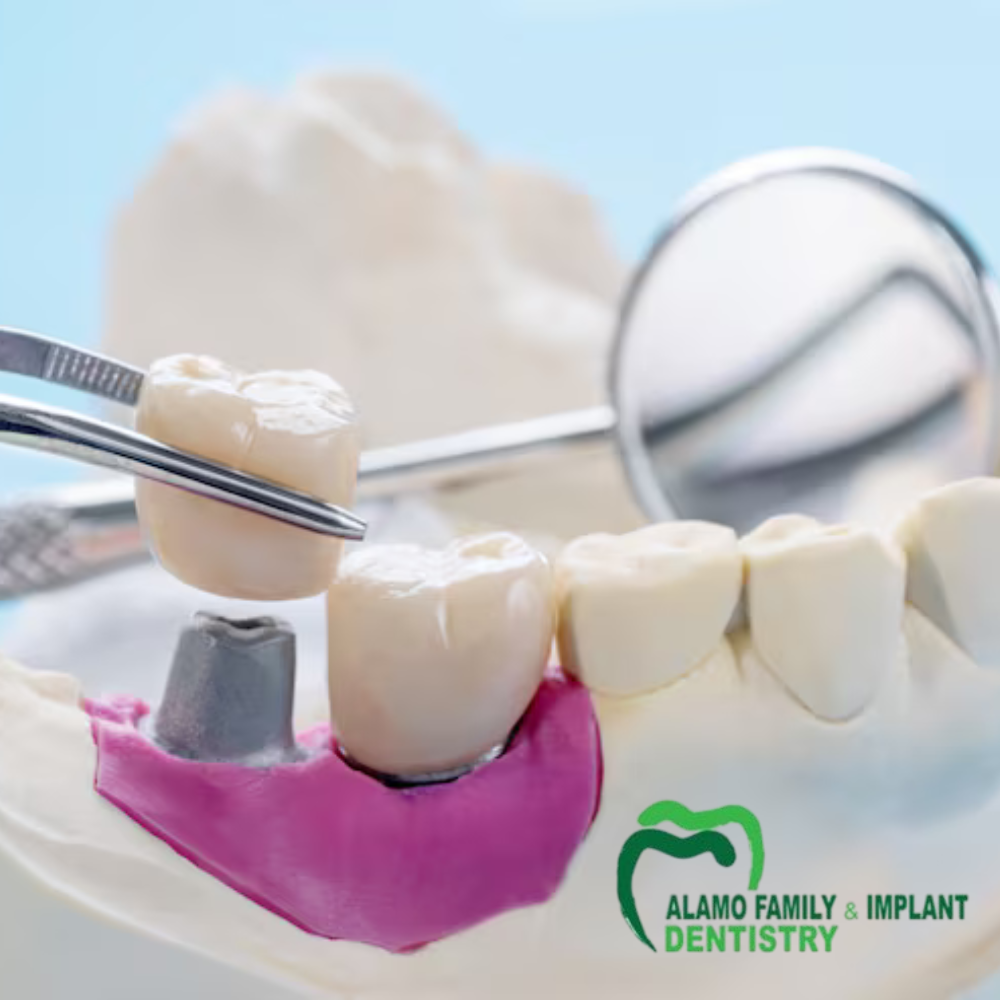
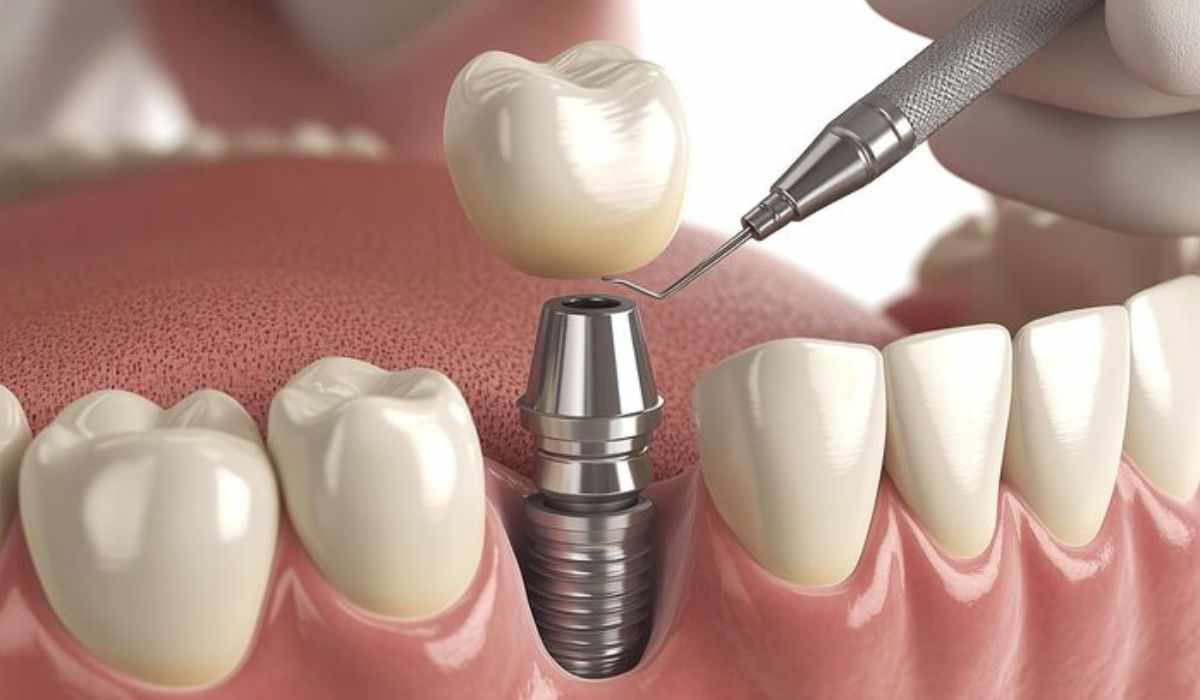
If decay's eaten away enough of the tooth structure, sometimes a filling or even a root canal alone isn't enough to keep the tooth functional long term. That's usually when a crown gets recommended, basically a cap covering the whole visible tooth, restoring both strength and shape. Crowns get used after root canals a lot too, since a tooth that's had its nerve removed becomes more brittle over time and needs that extra protection. It's not an automatic step for every decayed tooth, but for more severe cases it's often the difference between saving a tooth long term versus losing it eventually anyway.
Extraction, The Last Resort Nobody Wants
Sometimes, and this is the outcome everyone hopes to avoid, decay's advanced so far that saving the tooth just isn't realistic anymore. Extraction becomes necessary at that point, removing the tooth entirely rather than continuing to fight a losing battle. This usually happens when patients have avoided the dentist for years, letting small problems snowball into something unsalvageable. It's not something dentists jump to quickly, every reasonable option gets considered first, but sometimes there's genuinely nothing left worth saving.

Prevention Really Is the Better Route, Even If It's Boring Advice
Everyone's heard this a thousand times but it's worth repeating anyway, brushing twice daily, flossing, cutting back on sugary stuff, showing up for regular cleanings. Boring advice, sure, nobody gets excited hearing it again. But it's the actual thing standing between people and expensive, uncomfortable procedures down the road. Fluoride treatments help too, especially for people who are naturally more prone to cavities regardless of how well they brush. None of this is complicated information, it's just consistency that's hard for people to maintain over years.
Bottom Line on Dealing With Decay
Fixing tooth decay looks completely different depending on when it's caught, that's really the core of it. Early detection means simple, often reversible treatment. Waiting means fillings, sometimes root canals, occasionally crowns, and in the worst cases losing the tooth altogether. None of this needs to happen though if people stay consistent with checkups and don't wait until something hurts to finally book an appointment. Decay's sneaky precisely because it doesn't announce itself until it's already caused real damage, which is exactly why regular visits matter more than most people give them credit for.





Write a comment ...